


Yo, what's up everyone! I'm from an ISP4 Indoor Light suppliers, and today I wanna talk about the electromagnetic interference resistance of the lights we offer.
First off, let's get into what electromagnetic interference (EMI) actually is. EMI is basically the disturbance that affects an electrical circuit because of either electromagnetic induction or electromagnetic radiation emitted from an external source. In simple terms, it can mess with the normal operation of electronic devices. And for indoor lights, having good EMI resistance is super important.
Now, let's take a look at some of our top - selling products and how they hold up against EMI.
One of our star products is the HB2.5 High Performance Cost UFO LED High Bay. This bad boy is designed with state - of - the - art technology to minimize the impact of electromagnetic interference. We've used high - quality components in its construction. The PCB (Printed Circuit Board) has a special layout that helps in reducing the coupling of electromagnetic fields. The power supply module is also shielded to prevent external electromagnetic waves from getting in and causing disruptions.
In practical applications, the HB2.5 High Performance Cost UFO LED High Bay has shown excellent EMI resistance. In large industrial warehouses where there are lots of electrical equipment running simultaneously, these lights keep shining bright without any flickering or dimming issues. The stable operation is a direct result of its good EMI resistance. It's like having a fortress that protects the light from the chaos of electromagnetic waves in the environment.
Another great product in our lineup is the Eco Version D2.5 LED Triproof Light. This light is not only energy - efficient but also has a great defense against EMI. We've incorporated advanced filtering techniques in its design. The input and output circuits are equipped with EMI filters that can effectively suppress high - frequency interference.
In wet and humid indoor environments, such as basements or car washes, there are often electrical motors and pumps that generate electromagnetic noise. The Eco Version D2.5 LED Triproof Light can withstand this interference and provide a consistent and bright light output. It's built to last and perform well even in tough conditions. The EMI resistance of this light ensures that it doesn't malfunction due to the electromagnetic disturbances present in these environments.
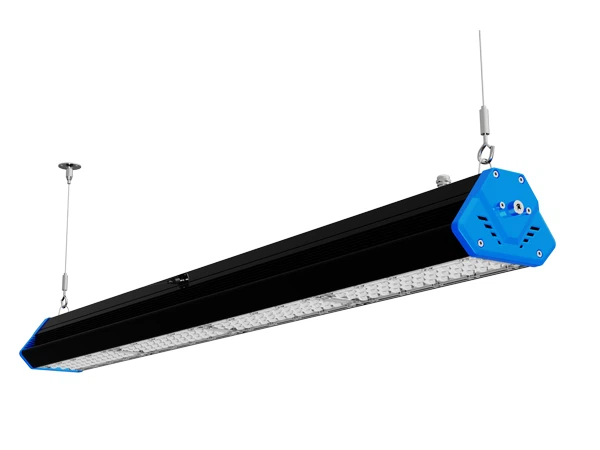
And then there's the HB6 Linear LED High Low Bay. This light is a real workhorse when it comes to EMI resistance. We've used a combination of shielding materials and optimized circuit designs. The housing of the HB6 Linear LED High Low Bay is made of a material that can block a significant amount of electromagnetic radiation. Inside, the electrical components are arranged in a way that reduces the generation of internal electromagnetic interference.
In commercial buildings with a lot of IT equipment and office machinery, electromagnetic interference can be a big problem. But the HB6 Linear LED High Low Bay can operate smoothly without being affected by the electromagnetic noise from these devices. It provides a stable and comfortable lighting environment, which is crucial for these types of spaces.
So, how do we test the electromagnetic interference resistance of our lights? Well, we use a series of strict testing procedures. We have a specialized EMI testing laboratory where we simulate different electromagnetic environments. We expose the lights to various levels of electromagnetic fields, including high - frequency and low - frequency interference. We measure the performance of the lights during these tests, looking for any signs of malfunction, such as flickering, color changes, or reduced brightness.
Only the lights that pass these rigorous tests make it to the market. We take the quality and performance of our products very seriously, and EMI resistance is an important aspect of that. We also keep up with the latest industry standards and regulations regarding electromagnetic compatibility (EMC). This ensures that our lights not only meet but often exceed the requirements set by the authorities.
Now, you might be wondering why electromagnetic interference resistance is so important for indoor lights. Well, for starters, it affects the reliability of the lights. Lights with poor EMI resistance are more likely to malfunction, which means more maintenance and replacement costs for you. It can also have an impact on other electronic devices in the vicinity. For example, if a light is generating a lot of electromagnetic interference, it can disrupt the operation of nearby Wi - Fi routers, smart home devices, or even medical equipment in a hospital setting.
In addition, good EMI resistance can improve the overall lighting experience. You don't want to be in a room where the lights are flickering or changing color due to electromagnetic interference. It can be very distracting and even cause eye strain. Our lights are designed to provide a stable and consistent lighting experience, thanks to their excellent EMI resistance.

If you're in the market for high - quality indoor lights with great electromagnetic interference resistance, look no further. We're an ISP4 Indoor Light suppliers, and we've got the products to meet your needs. Whether you're looking for lights for an industrial warehouse, a commercial building, or a residential space, we have the right solution for you.
We're always open to discussions and can provide more detailed information about our products. If you're interested in purchasing our lights or just want to learn more about them, don't hesitate to reach out. We're here to help you find the best lighting solutions for your specific requirements. Let's work together to create a well - lit and interference - free environment!
References:
- International Electrotechnical Commission (IEC) standards on electromagnetic compatibility.
- Industry reports on the impact of electromagnetic interference on lighting products.
- In - house research and development documents on the design and testing of our ISP4 indoor lights.